How To Maintain Concrete Curbing: Sealing, Cleaning, and Seasonal Care for Missouri Homes
Maintaining concrete curbing requires seasonal cleaning, periodic resealing, and prompt crack repair to protect it during Missouri's freeze-thaw cycles. Most homeowners spend less than an hour per season on upkeep.
April's thaw reveals what winter did to every landscape border in Wentzville. Hairline cracks, faded sealer, and soil-stained edges are common after months of freeze-thaw cycling. A short spring maintenance routine prevents those small signs from becoming expensive repairs. Step Above Curbing installs fiber-reinforced concrete borders across St. Charles County and explains the care routine that keeps them looking like new in this post.
Spring and Summer Care
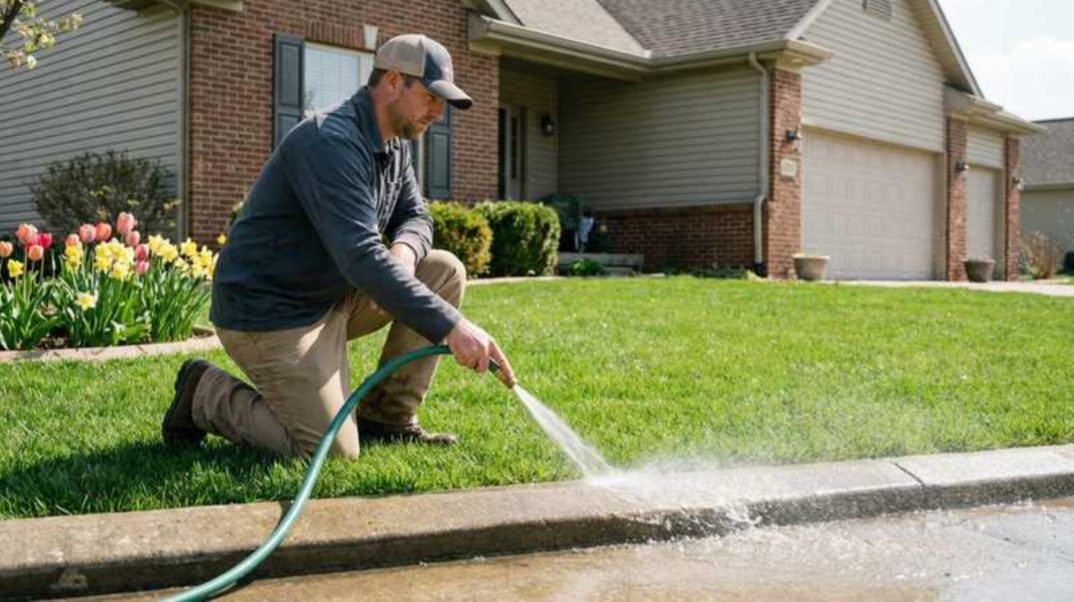
Spring is the most important maintenance window for concrete curbing in eastern Missouri. Start with a visual inspection after the last freeze:
- Rinse off winter debris: Use a garden hose or low-pressure washer to remove dirt, leaf stain, and salt residue. Avoid high-pressure settings that can etch the surface.
- Check for cracks: Hairline cracks under 1/8 inch are cosmetic. Anything wider may need a concrete patching compound before sealing.
- Clear soil buildup: Scrape away any soil or mulch that has piled against the curbing over winter. Trapped moisture accelerates surface wear.
Summer maintenance is lighter. Rinse curbing monthly to prevent mineral deposits from hardening in the heat, and trim grass or weeds that grow against the base to keep moisture from sitting against the concrete.
Sealing and Resealing
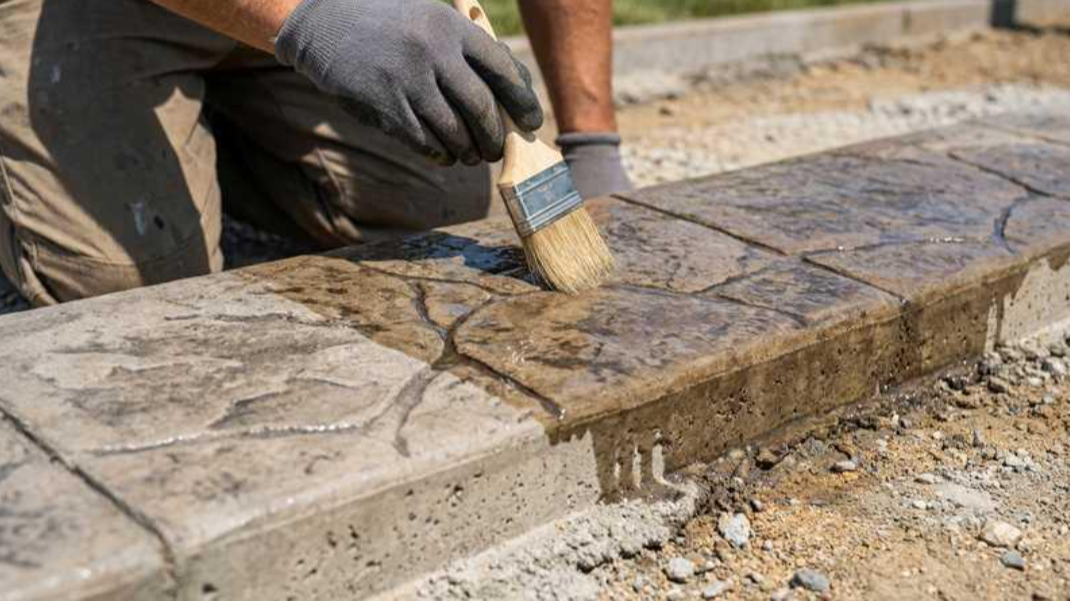
Sealing is the single most important step in extending your curbing's lifespan. A commercial-grade penetrating sealer blocks moisture from entering the concrete, which prevents the freeze-thaw cracking that damages unsealed installations every winter.
When To Reseal
Plan to reseal concrete curbing every two to three years in Missouri. You'll know it's time when water stops beading on the surface and instead soaks into the concrete. Missouri's UV-heavy summers and spring rains break down sealer faster than drier climates.
Step Above Curbing's Two-Part Process
Step Above Curbing's installation process includes a built-in sealing advantage. The crew returns days after installation to apply the first seal, then schedules a follow-up resealing later that same year. That two-part approach gives new curbing maximum early protection when the concrete is most vulnerable to moisture absorption, regardless of which curbing style you choose.
Fall and Winter Protection
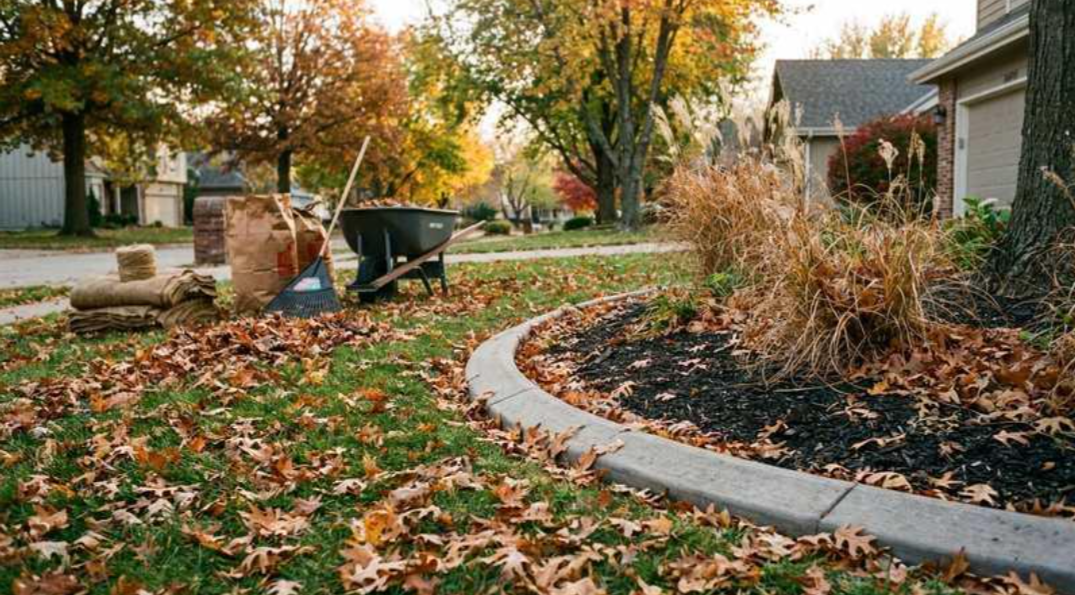
Before the first freeze, complete two steps that save your curbing from Missouri's harshest season:
- Apply fresh sealer if due: If your curbing is in its resealing window, fall is the ideal time. Sealer needs 48 hours of dry weather above 50°F to cure, so aim for October.
- Redirect downspouts and drainage: Water pooling against curbing freezes, expands, and chips the concrete edge over time. Make sure gutters direct water away from landscape borders.
During winter, avoid using de-icing salt directly on curbing. Calcium chloride is less damaging than rock salt, but keeping all chemical deicers off the surface extends the finish. If salt spray from a nearby driveway reaches the curbing, rinse it off during the next thaw.
Stamped patterns with deeper texture hold debris more than smooth profiles, so adjust cleaning frequency accordingly based on your curbing style.
Frequently Asked Questions
How often should you seal concrete curbing in Missouri?
Reseal concrete curbing every two to three years for optimal protection in Missouri's climate. Watch for water absorption instead of beading on the surface as a visual cue. Step Above Curbing schedules an initial resealing visit within the first year of installation to establish a strong moisture barrier early.
Can you pressure wash concrete curbing?
Use a garden hose or low-pressure washer set below 1,500 PSI for routine cleaning. High-pressure settings can etch stamped patterns and strip sealer from the surface. For stubborn stains, a mild concrete cleaner and soft-bristle brush work better than increasing water pressure.
Does concrete curbing crack over time?
Minor hairline cracks can appear as concrete cures and settles, especially in clay-heavy soils. Fiber-reinforced curbing resists structural cracking, and a penetrating sealer prevents moisture from widening small cracks during freeze-thaw cycles. Addressing cracks early with patching compound keeps them cosmetic.
Keep Your Curbing Looking Its Best

Concrete curbing is low-maintenance, not no-maintenance. The difference between curbing that looks worn after five years and curbing that looks fresh after fifteen comes down to consistent seasonal care and timely resealing. Homeowners who follow a basic spring-and-fall routine protect both the appearance and the structural integrity of their landscape investment.
Contact Step Above Curbing at (636) 290 8380 to schedule a resealing visit or get a free estimate on new curbing for your property.