Concrete Curbing vs. Plastic Edging: Which Lasts Longer in Missouri Weather?
The difference between concrete curbing vs. plastic edging comes down to their lifespans in Missouri weather. Concrete typically lasts 20 to 30 years with periodic resealing; plastic typically needs replacement every three to five years due to frost heaving and UV damage.
Plastic and concrete sit at opposite ends of the durability range, yet Wentzville homeowners weigh them against each other constantly. Choosing correctly means looking past the price tag at what actually survives Missouri's freeze-thaw seasons. Step Above Curbing installs concrete borders across St. Charles County and explains their key differences below.
How Missouri Weather Tests Landscape Edging
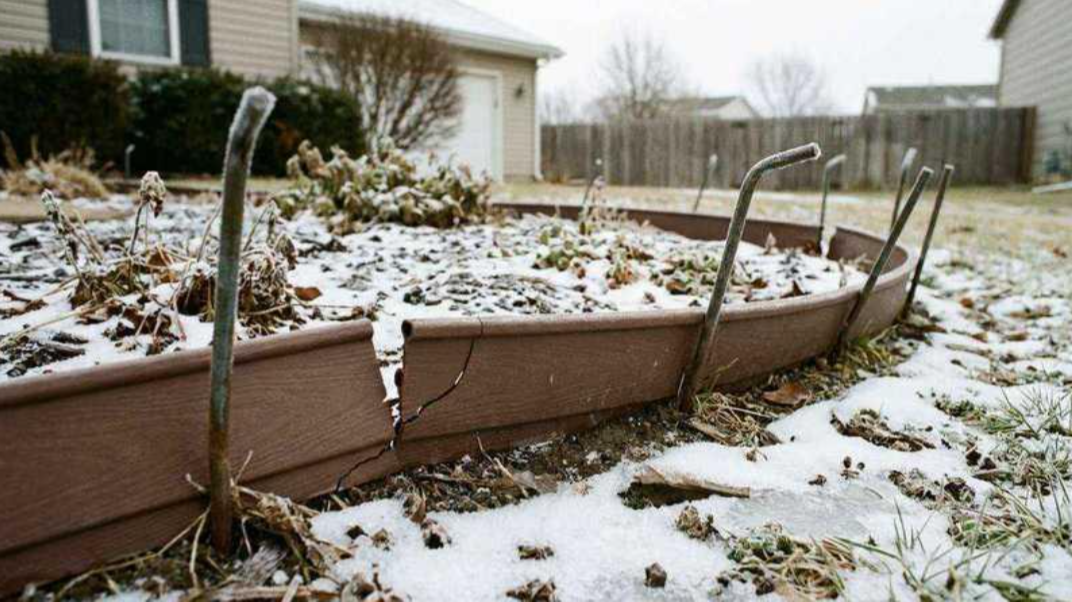
Eastern Missouri's climate puts landscape edging through a punishing annual cycle. Temperatures swing above and below freezing dozens of times each winter, and water trapped in soil expands as it freezes. That expansion pushes lightweight materials upward and out of alignment.
Why Plastic Fails First
Plastic edging absorbs freeze-thaw stress at its stake points. After two or three winters, stakes loosen, sections bow, and the edging lifts above the soil line. Clay soil compounds the problem: eastern Missouri's dense clay expands when wet and contracts when dry, creating constant push-pull pressure that loosens anchored edging faster than sandy soils. By year five, most plastic installations around Wentzville and O'Fallon need full replacement.
Why Concrete Holds
Concrete landscape curbing distributes ground pressure evenly across a continuous, monolithic border. No stakes to heave, no joints where ice can wedge sections apart. Fiber reinforcement and polymer additives let the concrete flex with soil movement instead of cracking against it.
Durability and Lifespan Compared
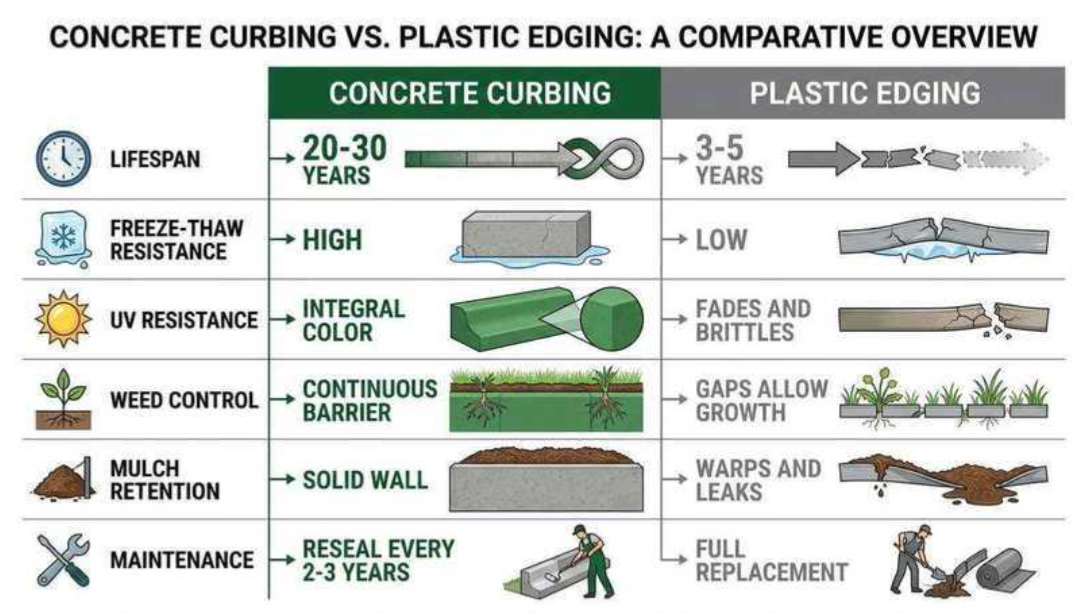
Concrete curbing and plastic edging differ across every performance measure that matters to Missouri homeowners:
- Lifespan: Concrete curbing typically lasts 20–30 years; plastic edging typically lasts 3–5 years before replacement
- Freeze-thaw resistance: Concrete's monolithic structure resists heaving; plastic stakes pull loose after repeated cycles
- UV resistance: Integral pigment in concrete won't fade; plastic yellows and brittles in direct sun
- Weed control: Continuous concrete blocks root penetration; gaps between plastic sections allow weed growth
- Mulch retention: Solid concrete barrier holds mulch in place; warped plastic lets mulch migrate into lawns
- Maintenance: Concrete needs resealing every few years; plastic needs full replacement on the same timeline
The upfront cost difference narrows dramatically when you factor in plastic's replacement cycle over a decade.
When Each Option Makes Sense
Plastic edging works for temporary garden beds, rental properties, or short-term landscaping before a home sale. If you're testing a bed layout before committing, a $50 roll of plastic gives you flexibility to change your mind next season.
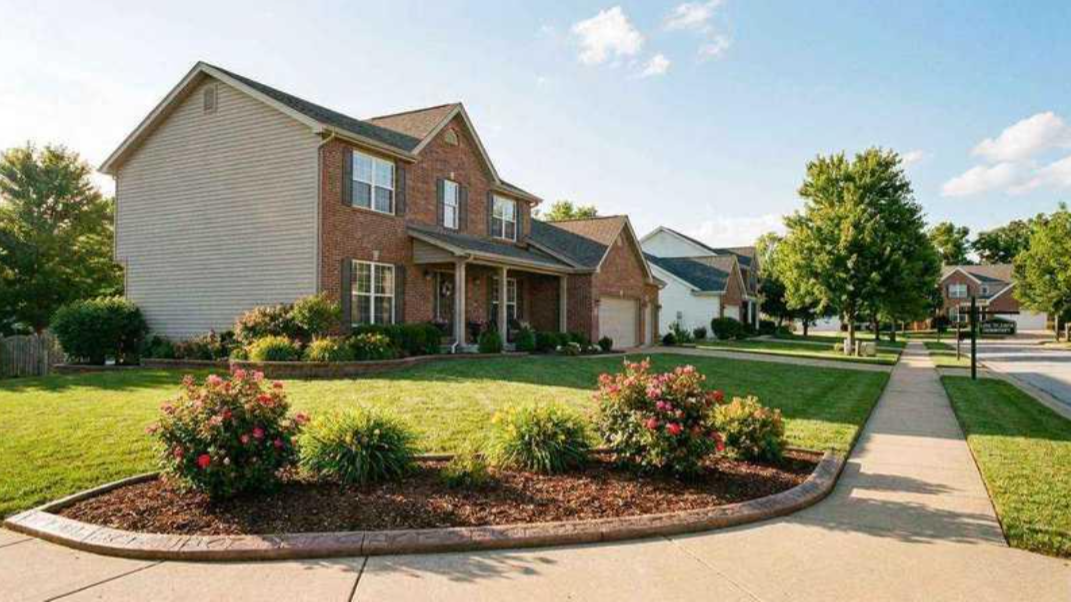
Concrete curbing is the better fit for homeowners who plan to stay and want a permanent, low-maintenance edging solution. Lake St. Louis and Cottleville neighborhoods with active HOAs especially benefit from concrete's clean, uniform appearance that passes inspection year after year without seasonal touch-ups.
The material cost gap between affordable edging alternatives and professional concrete curbing closes when measured over a 10-year window rather than a single purchase.
Frequently Asked Questions
Is concrete curbing more expensive than plastic edging?
Concrete curbing costs $5–$15 per linear foot installed, while plastic edging runs $1–$3 per foot. However, plastic needs replacement every three to five years in Missouri. Over 20 years, the total cost of plastic edging approaches or exceeds a one-time concrete installation by Step Above Curbing.
Can plastic edging handle Missouri's freeze-thaw cycles?
Plastic edging struggles with repeated freeze-thaw exposure. Stakes loosen as frozen soil expands, and UV-degraded plastic cracks under mowing equipment. Most plastic installations in eastern Missouri show visible deterioration within three winters, especially in clay-heavy soils common around St. Charles County.
How does concrete curbing hold mulch better than plastic?
Concrete curbing forms a continuous, solid barrier with no gaps or seams where mulch can escape during heavy rain. Plastic edging develops gaps at connection points and bows outward under soil pressure, allowing mulch to wash onto lawns during Missouri's spring downpours.
Choose the Edging That Survives Missouri
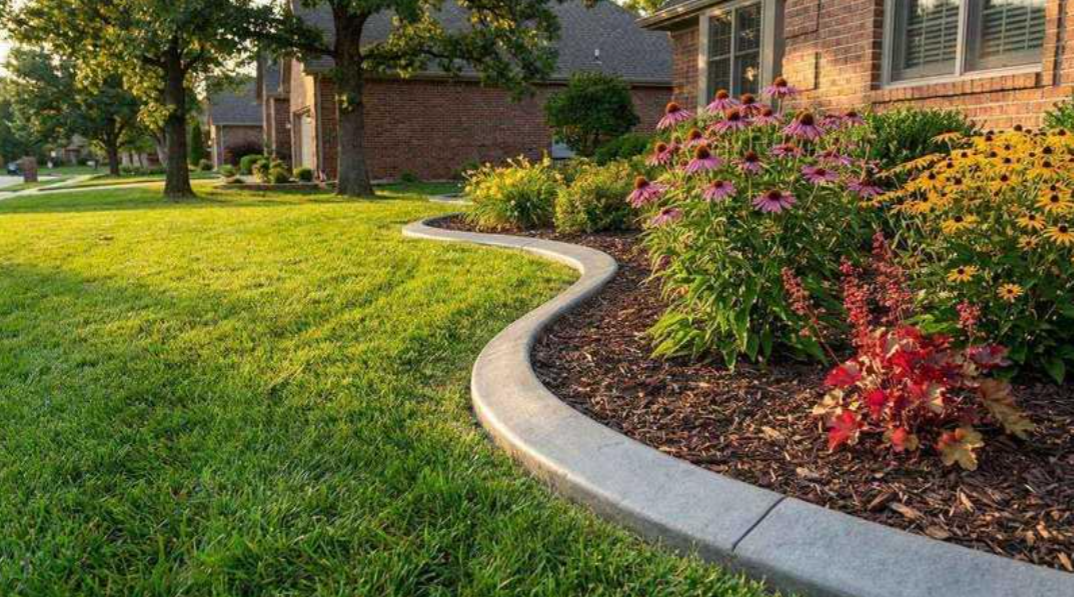
Both materials have a place in landscaping, but they have fundamentally different timelines. Plastic edging is a short-term fix that demands ongoing reinvestment; concrete curbing is a one-time installation that holds for decades. For St. Charles County homeowners who want defined landscape beds that maintain their shape through every Missouri season, the permanent option eliminates years of repeat purchases and re-staking.
Contact Step Above Curbing at (636) 290 8380 for a free estimate and see the difference a professional concrete border makes on your property.